
Data Recovery: A Comprehensive Guide to Understanding It
Data recovery is a critical service in our increasingly digital world, where data loss can happen anytime due to unforeseen circumstances. Whether it’s through hardware failure, accidental deletions, or cyberattacks, the stakes are high; retrieving lost information is not just about restoring files but also about maintaining business continuity and personal security. Engaging professional data recovery services or utilizing the best data recovery software can significantly increase your chances of reclaiming important data successfully. Additionally, implementing cloud data recovery solutions allows for secure backups and can limit the impact of potential data loss. In this article, we’ll explore various data recovery techniques and best practices for effective data loss prevention, ensuring you’re well-informed and prepared.
The act of retrieving lost digital information is fundamental in today’s tech-driven era, often referred to as information restoration or data retrieval. Many individuals and organizations face unpredictable challenges, leading to scenarios where data becomes inaccessible, prompting a need for advanced recovery techniques. Utilizing expert information recovery services or implementing top-tier software for data restoration can provide invaluable assistance in these situations. Moreover, the rise of online backup solutions emphasizes the importance of cloud-based methods for safeguarding critical files. This discussion will highlight various strategies and techniques aimed at ensuring data preservation and recovery in the face of potential threats.
The Importance of Data Recovery Services in Today’s Digital Era
In today’s digital environment, the value of data recovery services cannot be overstated. With individuals and businesses relying heavily on digital storage solutions, the risk of data loss has surged, bringing data recovery to the forefront of tech discussions. Data loss can occur due to several factors such as hardware malfunctions, accidental deletions, and cyberattacks. In such instances, the expertise provided by specialized data recovery services becomes essential for retrieving critical information, thereby minimizing disruptions in both personal and professional settings.
Moreover, the landscape of data recovery is continuously evolving, influenced by advancements in technology and the complexities of new storage devices. For instance, traditional recovery techniques may not be adequate for solid-state drives (SSDs) that utilize different architectures compared to hard drives. Therefore, engaging professional data recovery services that utilize the best data recovery software and techniques is crucial for anyone facing data emergencies. This professional assistance not only ensures higher success rates in data retrieval but also provides peace of mind to users, knowing their data is in capable hands.
Best Data Recovery Techniques for Effective Retrieval
The realm of data recovery encompasses a variety of techniques tailored to address different types of data loss scenarios. Understanding these techniques is vital for anyone trying to salvage lost information. Techniques range from the utilization of specialized recovery software to more intricate methods such as imaging drives and recovering data from disk sectors. For instance, data recovery software can often restore deleted files quickly, making it a preferable first step before considering more complex recovery methods. Users are encouraged to leverage the best data recovery software available in the market to maximize their chances of successful retrieval.
Additionally, employing a combination of preventive measures alongside recovery techniques is crucial. Establishing a solid data loss prevention strategy—such as routine system backups and implementing cloud data recovery solutions—can save users from the dire consequences of data loss. Relying solely on reactive measures may prove insufficient; therefore, understanding and employing effective recovery techniques in tandem with proactive data protection practices is essential in ensuring the security and accessibility of valuable information.
Cloud Data Recovery: The Future of Data Protection
As digital data storage continues to shift toward cloud solutions, cloud data recovery has emerged as a critical area in data management. The advantages of cloud recovery include flexibility, scalability, and off-site data protection, which are essential for organizations seeking to mitigate the risks associated with traditional storage methods. Major service providers have now introduced advanced cloud data recovery services that allow users to restore data from any location at any time, further enhancing operational efficiency in times of crisis.
Furthermore, the implementation of cloud data recovery solutions often involves integrating robust cybersecurity measures. As threats such as ransomware attacks become increasingly sophisticated, organizations must adopt a proactive stance—ensuring that their data recovery strategies account for potential vulnerabilities. By combining cloud recovery options with comprehensive cybersecurity protocols, businesses not only protect their data but also ensure swift access to it, thereby minimizing downtime during recovery periods.
The Role of Software in Data Recovery Solutions
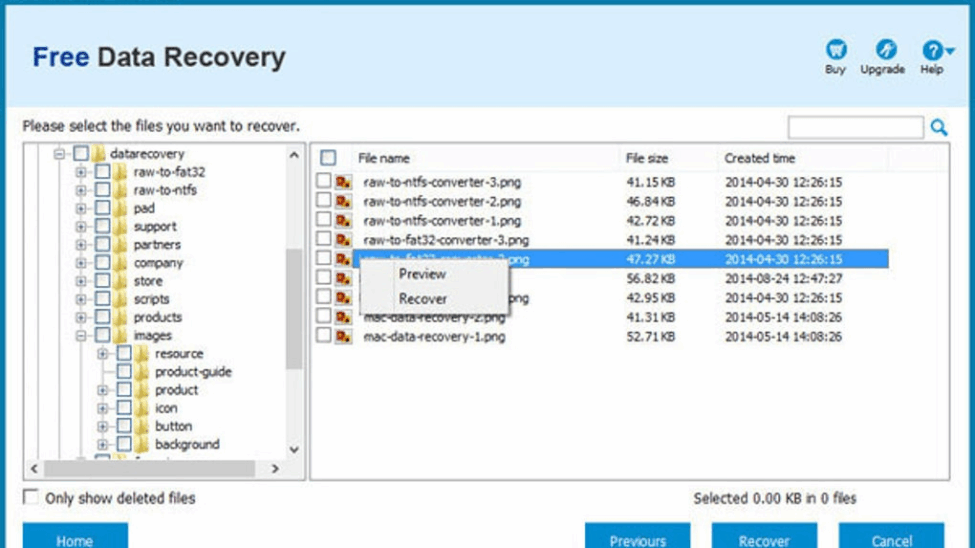
The evolution of data recovery software has played an essential role in the field of data retrieval, making it accessible for individuals and organizations alike. With advancements in algorithms and user interfaces, the best data recovery software can efficiently restore files from corrupted or inaccessible storage devices. By utilizing powerful recovery algorithms, these tools can successfully recover not only deleted files but also damaged or formatted data, providing a reliable solution in various data loss scenarios.
However, it is important for users to choose their recovery software wisely. Not every software is compatible with every type of storage media, and using the wrong tool can potentially exacerbate data loss. It is advisable for users to research and select reputable options to ensure the highest chances of recovery. Furthermore, combining software solutions with professional data recovery services can maximize the effectiveness of recovery efforts, particularly for severe cases of data loss.
Preventing Data Loss: The Importance of Best Practices
Preventing data loss should be a priority for anyone who relies on digital storage. Implementing best practices such as regular backups, using professional data recovery services, and adopting sound data management strategies are fundamental in maintaining data integrity. Following the established **3-2-1 backup rule**—keeping three copies of your data, two on different devices, and one off-site—significantly enhances the resilience of your data against unexpected events.
Furthermore, educating oneself about basic data recovery techniques is equally important. Understanding how different storage systems work and how to utilize various data recovery tools can empower users to act quickly in the event of data loss. By being proactive and establishing a culture of data loss prevention within organizations, the likelihood of facing a data recovery crisis can be dramatically reduced.
Professional Data Recovery Services: When to Seek Help
Despite the availability of powerful data recovery software, certain situations necessitate the engagement of professional data recovery services. For example, instances of severe physical damage to storage devices or cases involving complex data loss scenarios may prove unsuccessful with DIY attempts. In such circumstances, professionals equipped with the right tools and expertise are essential for recovering valuable information, often utilizing state-of-the-art techniques and equipment to achieve the best possible outcomes.
Moreover, professional services come with a level of assurance and support that cannot be matched by DIY solutions. Experts in data recovery can provide tailored solutions based on the specific type of data loss and storage device, ensuring that recovery efforts are efficient and effective. Thus, knowing when to seek help is crucial; waiting too long might decrease the chances of successful recovery further due to evolving corruption issues.
Data Recovery in a Cybersecurity Landscape
As cyber threats become increasingly prevalent, the relationship between data recovery and cybersecurity becomes more pronounced. Understanding that data loss can stem from security breaches, it becomes clear that a holistic approach to data management is necessary. Implementing stringent cybersecurity measures not only prevents data loss situations but also aids in establishing effective recovery plans should crises occur. Companies must prioritize both prevention and recovery strategies, ensuring that their data remains safe and retrievable.
Incorporating cybersecurity protocols into data recovery strategies also ensures a seamless recovery process during potential data breaches. Regular backups paired with robust recovery protocols allow organizations to respond swiftly when data breaches occur. The emphasis must be on creating a dual strategy to not only prepare for data loss scenarios but also to reinforce defenses against cyber threats, thus preserving data integrity and accessibility.
Innovations in Data Recovery Technology
The tech industry is witnessing rapid innovations in data recovery technology that promise to enhance the efficiency and effectiveness of retrieval processes. Advanced algorithms, like machine learning, are now being applied in data recovery software, allowing these tools to predict and recover data loss events more efficiently. Recent developments also include enhanced capabilities for scanning data storage devices for corrupted files, significantly increasing recovery success rates across various platforms.
Furthermore, the rise of artificial intelligence in data recovery processes will likely create smarter tools that adapt to emerging data loss scenarios. These innovations not only expedite recovery efforts but also empower individuals and organizations with greater confidence in their data recovery capabilities. Staying informed about such advancements is crucial, as they directly influence how effectively users can protect their data and manage recovery tasks in the face of inevitable data challenges.
Embracing a Holistic Approach to Data Management
To truly safeguard against data loss, individuals and organizations must embrace a holistic approach that unites prevention, recovery, and ongoing management. This involves implementing preventive measures, such as regular backups and using data loss prevention strategies, while also having reliable data recovery options in place. A comprehensive strategy enables users to navigate various data challenges while minimizing the risks associated with potential losses.
Moreover, promoting awareness and educating staff on the importance of data management practices helps cultivate a culture of data literacy. By integrating ongoing training focused on both preventive measures and recovery techniques, organizations can enhance their resilience against data loss incidents. Ultimately, a strong emphasis on holistic data management ensures that users are better equipped to face the complexities of data handling while securing their critical information.
Frequently Asked Questions
What are the best data recovery services available?
When it comes to choosing the best data recovery services, it’s essential to consider factors such as the type of data loss, device compatibility, and service reviews. Companies like Acronis, EaseUS, and Ontrack offer comprehensive solutions for various scenarios, including hard drive failures, SSD recovery, and even cloud data recovery. Their tools and expertise can significantly enhance the chances of successful data retrieval, making them top choices for individuals and businesses alike.
| Key Points | |
|---|---|
| Understanding Data Recovery: | Data recovery is the process of retrieving lost, corrupted, or inaccessible data from storage devices. |
| Causes of Data Loss: | Hardware failures, accidental deletions, software malfunctions, and cyberattacks. |
| Technological Advances: | Specialized recovery techniques are required for SSDs, distinct from traditional hard drives. |
| Cloud Recovery Services: | Your data recovery solutions must adapt to cloud innovations offered by major providers. |
| Cybersecurity Integration: | Data recovery must include cybersecurity protocols to guard against ransomware. |
| Best Practices: | 1. Regular backups using the 3-2-1 rule. 2. Seek professional recovery services for severe loss. 3. Use recovery software for less severe cases. |
Summary
Data recovery is a critical aspect of managing and preserving digital information in today’s data-driven world. The inevitability of data loss due to various causes emphasizes the need for effective recovery strategies. Although many individuals and organizations have access to numerous recovery tools, understanding when to seek professional services can make the difference between successful recovery and permanent data loss. Therefore, integrating robust cybersecurity measures, leveraging advanced technology, and adhering to best practices are indispensable to not only retrieving lost data but also safeguarding against future vulnerabilities. A comprehensive approach to data recovery can empower individuals and businesses alike to navigate the precarious nature of digital data management confidently.
Unlock the potential of your WordPress site with Autowp, the premier AI content generator and AI content creator plugin designed to streamline your content creation process. With its cutting-edge algorithms, Autowp helps you effortlessly generate high-quality articles, blog posts, and product descriptions that resonate with your audience. Experience the power of artificial intelligence in enhancing your digital content strategy today! To remove this promotional paragraph, upgrade to Autowp Premium membership.



 EN
EN  HE
HE